15-Yard vs 20-Yard Dumpster: Which Size Is Right for Your Project?
Picking the wrong dumpster size is one of the most common mistakes made when renting a roll-off container. Rent too small and the load overflows before the project is done, forcing a swap that adds cost and delays the timeline. Rent too large and money goes toward cubic yards that never get used. The 15 yard vs 20 yard dumpster decision comes up on almost every residential rental, and the answer depends on the specific project, not a general rule of thumb.
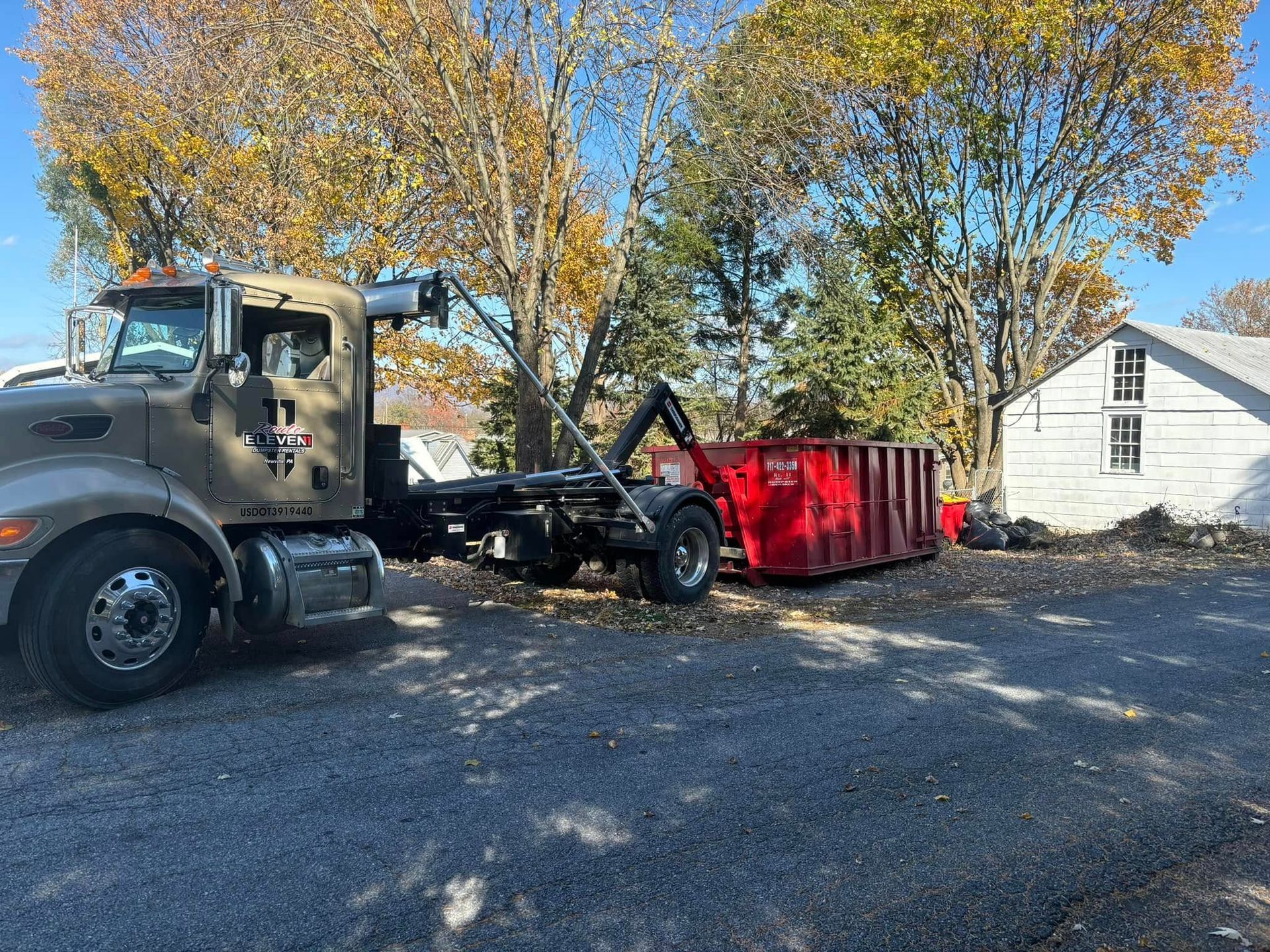
Both sizes are available through RT 11 Roll Offs and serve Cumberland County homeowners, contractors, and property managers across Newville, Carlisle, Shippensburg, Mechanicsburg, and Chambersburg. This guide breaks down exactly what each size can handle, which projects belong in each container, and how to make the call with confidence before booking.
A 15-yard dumpster is the right size for single-room remodels, garage or basement cleanouts, small roofing jobs, and light landscaping debris. A 20-yard dumpster is the right size for multi-room renovations, full home or estate cleanouts, large roof tear-offs, and deck or shed demolition. Base the choice on project scope, material weight, and job timeline, and size up to the 20-yard whenever total debris volume is uncertain.
Understanding Dumpster Sizes: What the Numbers Mean
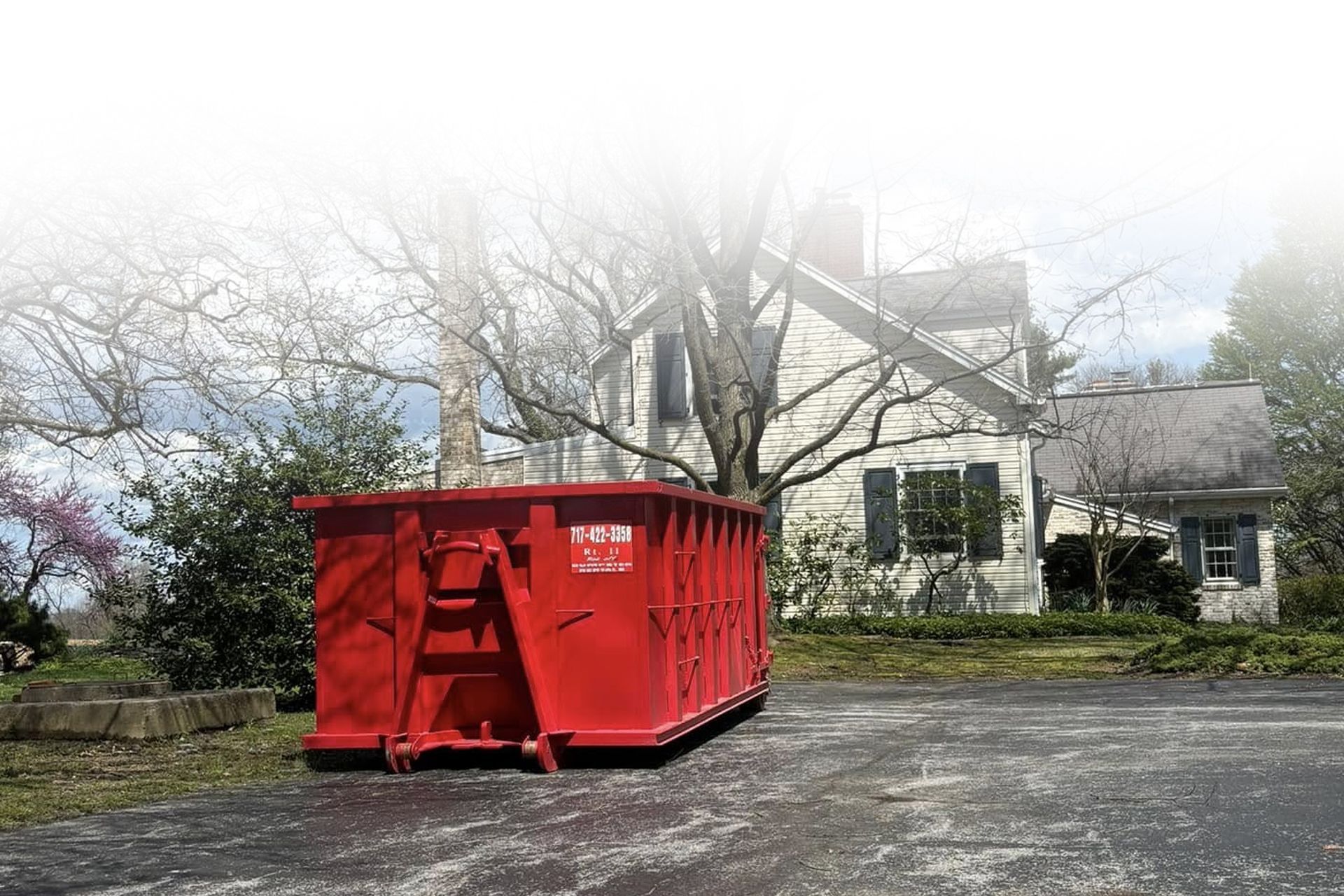
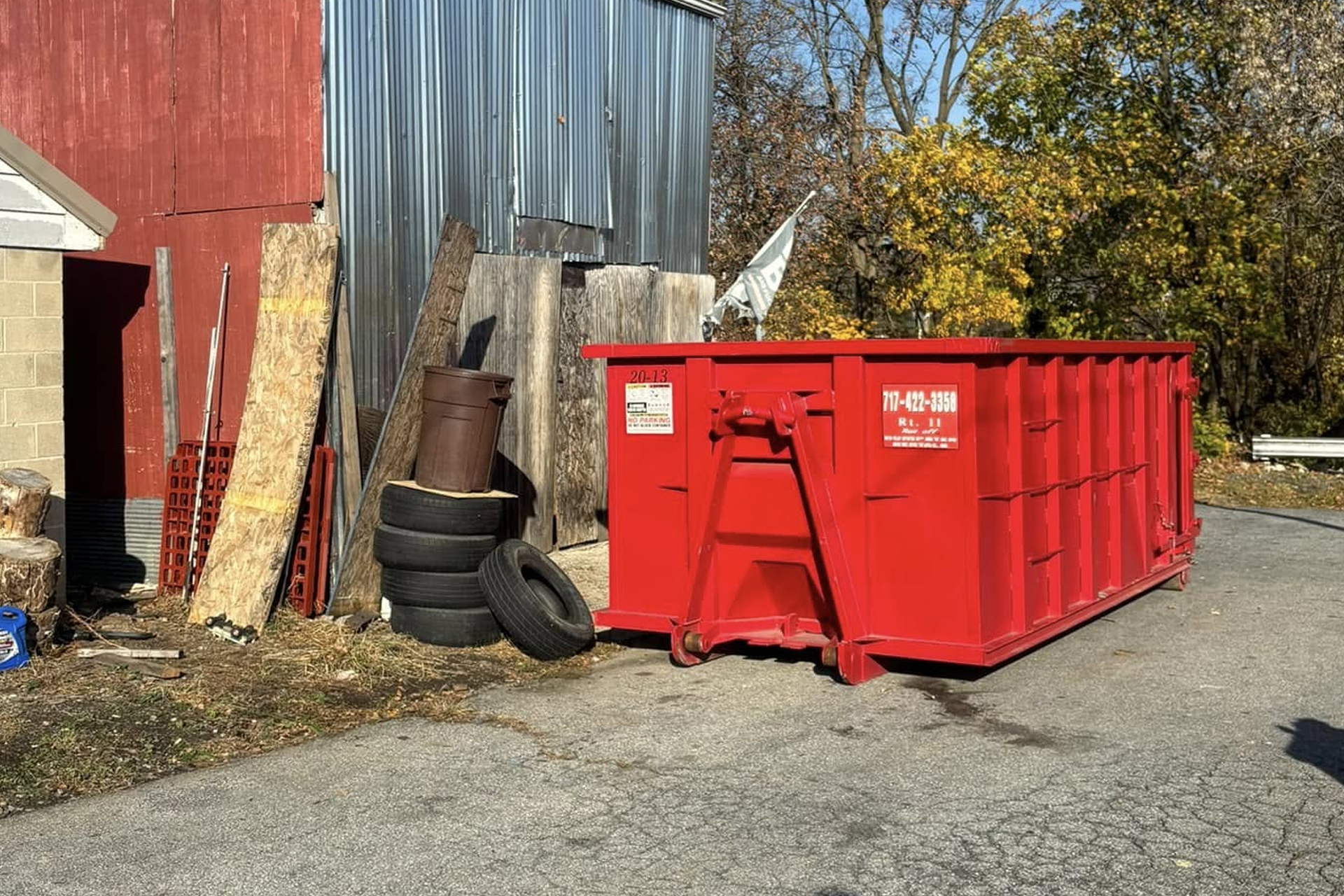
The number in a dumpster size, 15 yards or 20 yards, refers to cubic yards of capacity. One cubic yard equals a space three feet wide, three feet tall, and three feet deep. To put that in practical terms: a standard pickup truck bed holds roughly two to three cubic yards of loose debris. A 15-yard dumpster holds the equivalent of five to six pickup truck loads. A 20-yard dumpster holds roughly seven to eight.
Cubic yard capacity tells half the story. Weight limits matter just as much, particularly for dense materials like concrete, roofing shingles, or soil. Most residential roll-off dumpsters have a weight limit in the range of two to four tons, depending on the size and the rental company. Loading a container to its volume limit with heavy material can push it past its weight limit before it looks full.
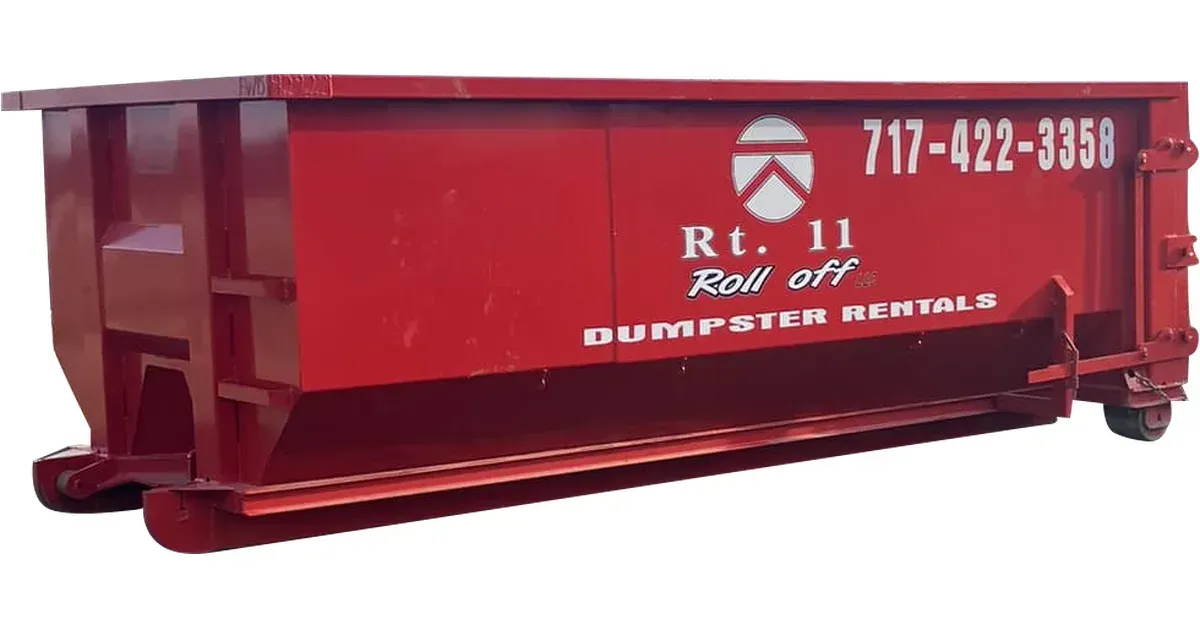
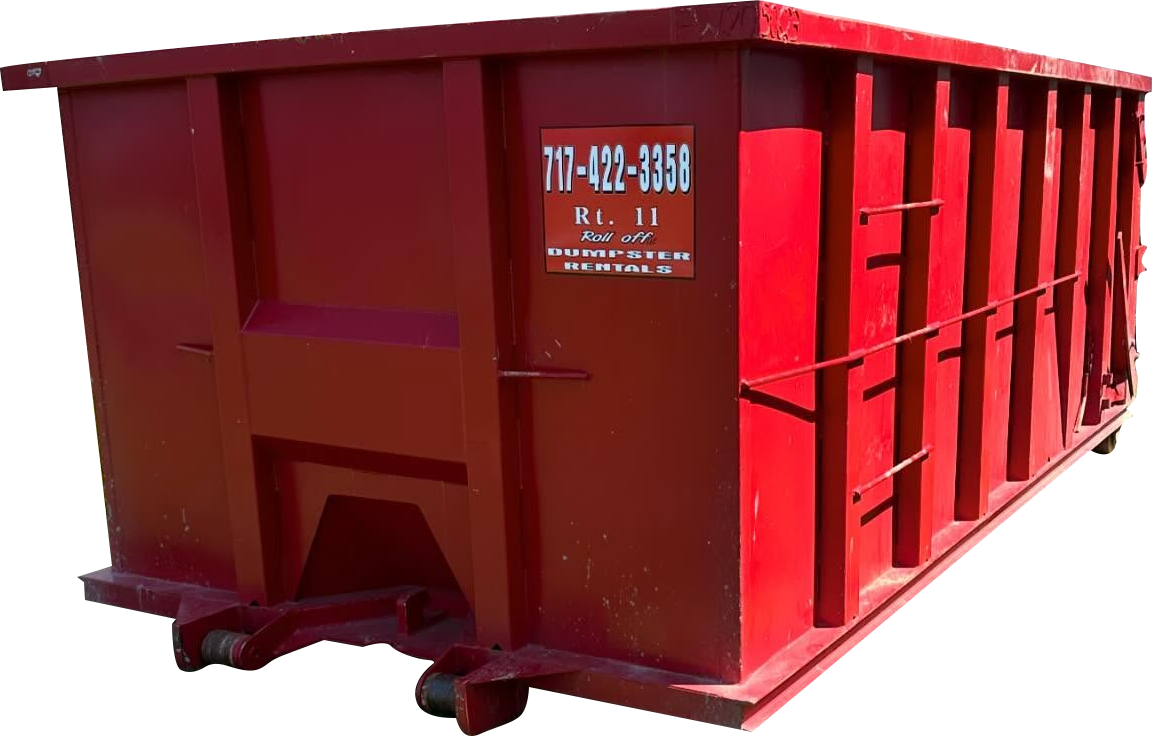
• 15-yard dumpster: approximately 15 cubic yards of volume. Dimensions typically run around 14 feet long, 7.5 feet wide, and 4.5 feet tall.
• 20-yard dumpster: approximately 20 cubic yards of volume. Dimensions typically run around 22 feet long, 7.5 feet wide, and 4.5 feet tall.
• Weight limits vary by load type. Heavy materials like concrete, brick, and shingles fill weight limits faster than lightweight debris like drywall or packaging.
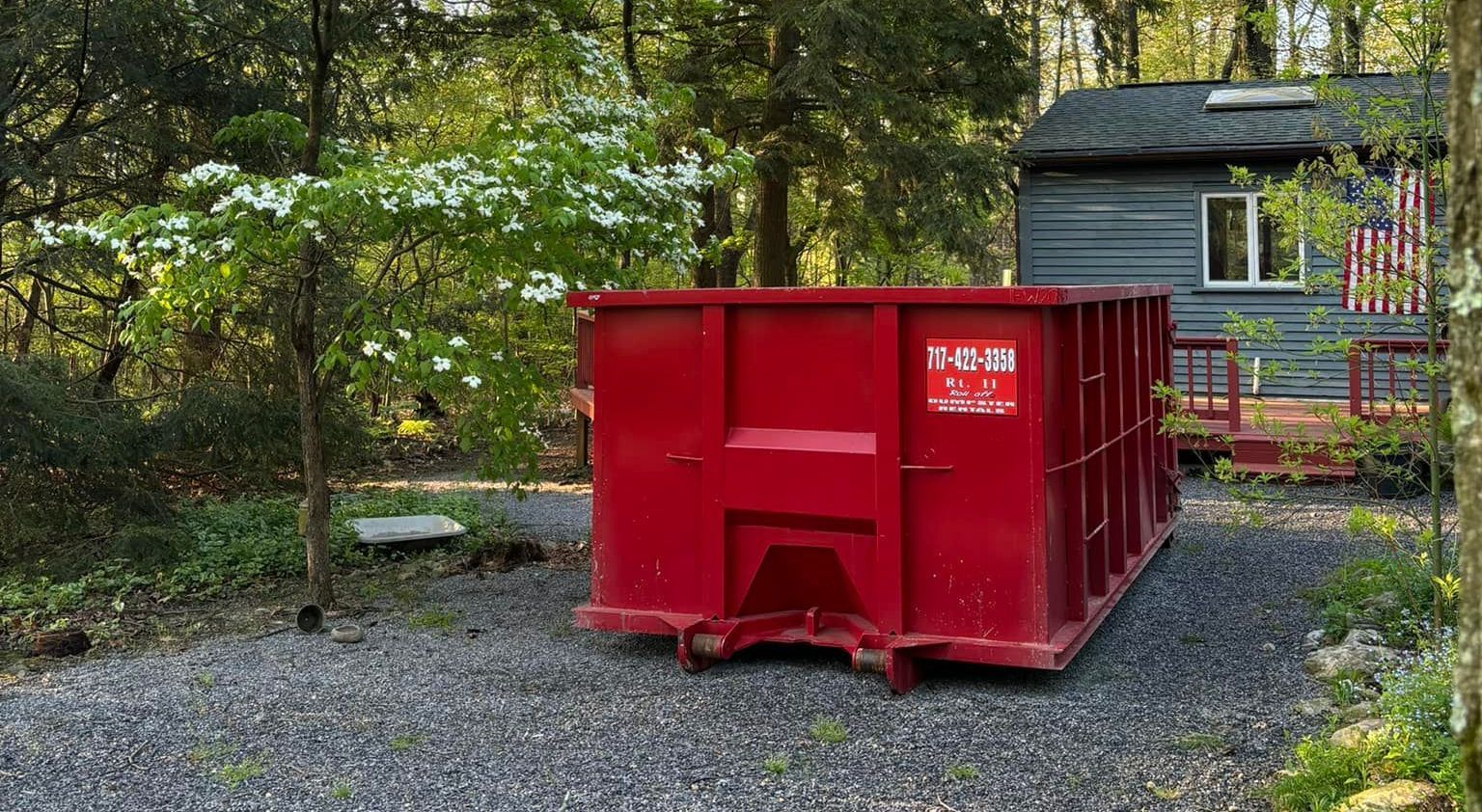
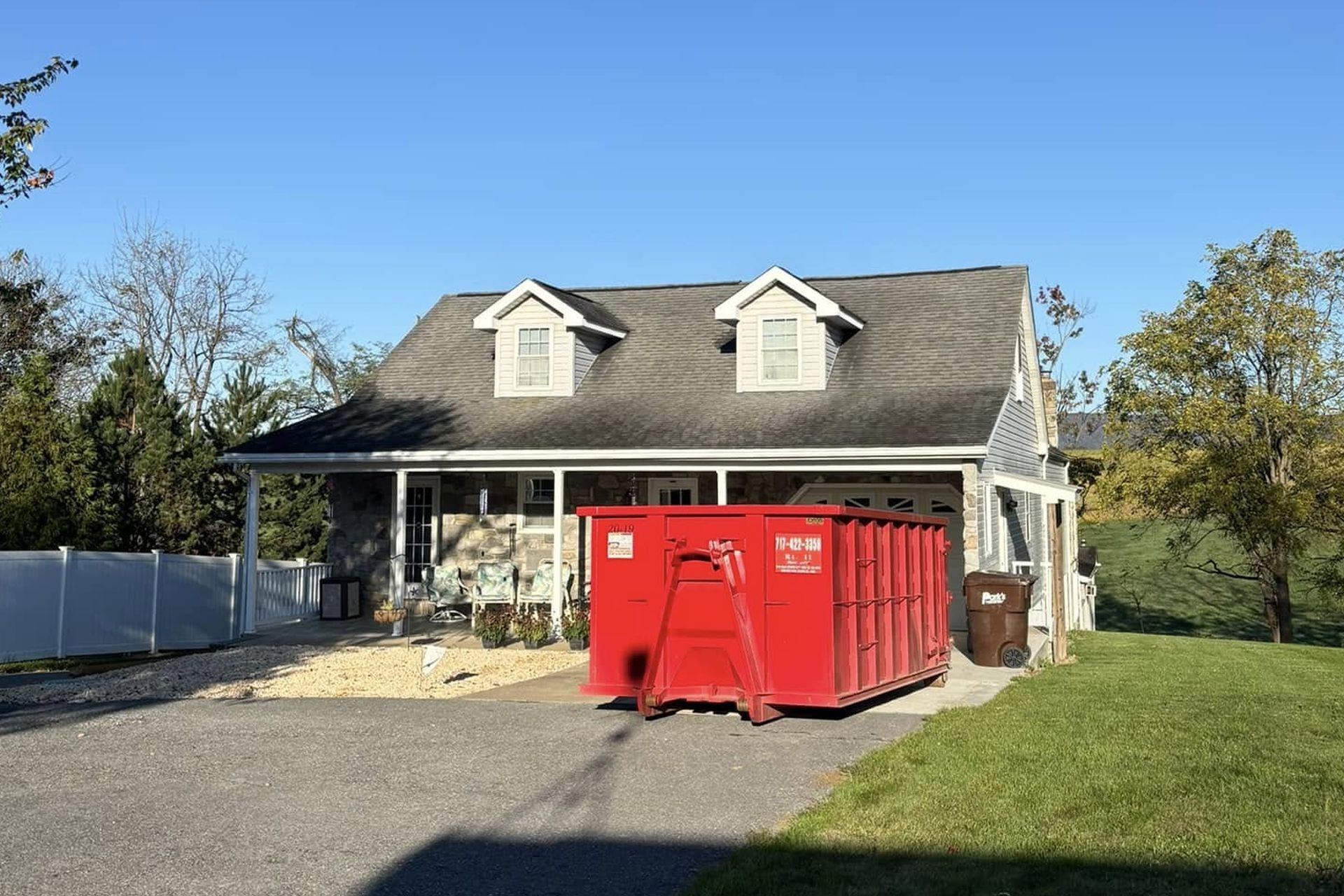
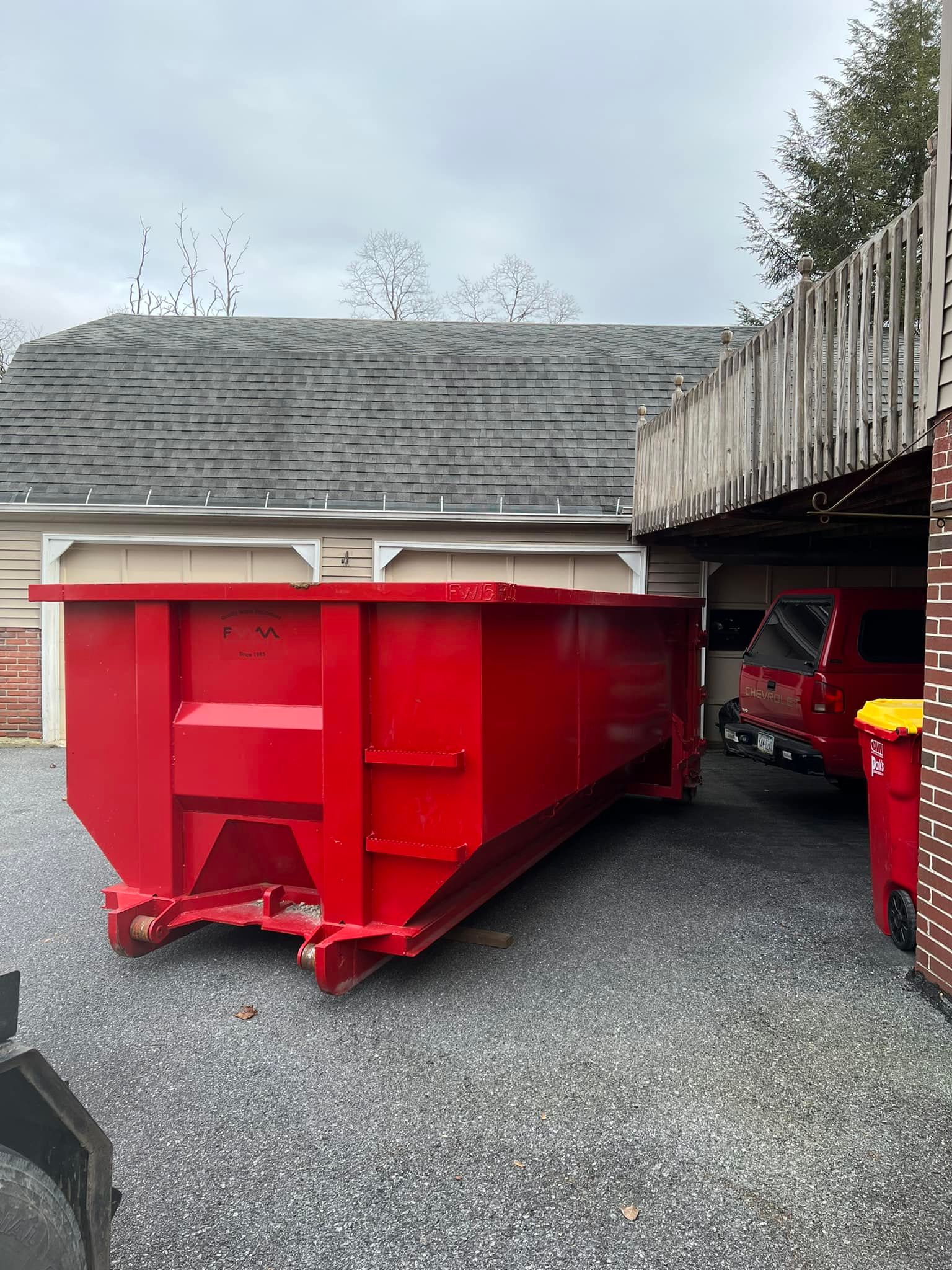
• Both sizes fit in a standard residential driveway, though the 20-yard requires more length in the drop zone.
According to EPA data on household waste volumes, the average American generates a significant amount of solid waste annually, and renovation and cleanout projects add substantially to that figure in concentrated bursts.
When a 15-Yard Dumpster Is the Right Choice
The 15-yard dumpster is the most versatile option for light to medium residential projects. It handles a broad range of cleanout and renovation work without taking up excessive driveway space or exceeding what the project actually generates.
Best Projects for a 15-Yard Dumpster
• Garage or basement cleanouts: years of accumulated items, old furniture, and general household clutter fit comfortably in a 15-yard container for most single-car garage or standard basement spaces.
• Single-room remodels: a kitchen or bathroom renovation generates drywall, flooring, cabinets, and fixtures. A 15-yard container handles a single room without issue.
• Landscaping debris removal: branches, sod, leaves, mulch, and light soil from a seasonal yard cleanup or planting overhaul work well in the 15-yard size, provided the load stays within weight limits.
• Small roofing jobs: a single-layer shingle tearoff on a smaller roof (under 20 squares) generally fits in a 15-yard dumpster. Multi-layer tearoffs or larger roofs require the 20-yard.
• Fence teardowns: wood fencing, old posts, and related hardware from a standard residential fence removal typically fill a 15-yard container without exceeding it.
Advantages of the 15-Yard Option
• Tighter footprint: at roughly 14 feet in length, the 15-yard container fits more easily in compact driveways and narrow side yards where space is limited.
• Lower cost for lighter projects: renting a size that matches the actual project scope avoids paying for unused capacity.
• Easier to load solo: the lower wall height on a 15-yard container makes it more accessible when loading by hand without a crew.
• Faster turnaround: for short projects like a weekend cleanout, the 15-yard fills and closes out quickly.
When a 20-Yard Dumpster Makes More Sense
The 20-yard dumpster is the go-to size for larger residential projects, full-property cleanouts, and any job that involves multiple rooms, multiple material types, or extended debris removal timelines. It provides considerably more volume than the 15-yard without stepping up to the commercial sizes used on major construction sites.
Best Projects for a 20-Yard Dumpster
• Full home cleanouts or multi-room renovations: clearing an entire house before a sale, or tackling a gut renovation across multiple rooms, generates more volume than a 15-yard can reliably handle.
• Roof replacements on larger homes: a full tear-off on a home with 25 or more squares of roofing, or any multi-layer removal, needs the additional capacity of a 20-yard container.
• Deck or shed demolitions: the combination of lumber, hardware, concrete footings, and general debris from a deck or shed teardown adds up faster than most homeowners expect. The 20-yard provides room for the full load.
• Estate cleanouts: clearing a full property with decades of accumulated belongings, furniture, and household items typically requires 20 yards at minimum.
• Contractor and commercial use: job sites with mixed debris streams and multiple trades working in sequence benefit from the larger capacity and fewer haul intervals.
Why the 20-Yard Is a Popular Middle Ground
• More capacity without commercial bulk: the 20-yard holds 33 percent more than the 15-yard but still fits in residential spaces, unlike larger 30 or 40-yard containers.
• Handles mixed debris types: renovation projects often generate a mix of light and heavy materials. The 20-yard provides the volume buffer to accommodate both without running out of space.
• Better value when volume is uncertain: for projects where the total debris amount is hard to estimate, sizing up to the 20-yard avoids a mid-project swap fee.
Side-by-Side Comparison: 15-Yard vs 20-Yard Dumpster
Here is a direct comparison of the two sizes across the factors that matter most for a residential rental decision:
| Factor | 15-Yard Dumpster | 20-Yard Dumpster |
|---|---|---|
| Volume capacity | ~15 cubic yards | ~20 cubic yards |
| Typical dimensions | 14 ft long x 7.5 ft wide x 4.5 ft tall | 22 ft long x 7.5 ft wide x 4.5 ft tall |
| Pickup truck equivalent | 5-6 truckloads | 7-8 truckloads |
| Best for | Single-room remodels, garage cleanouts, landscaping, small roofing jobs | Multi-room renovations, full cleanouts, large roofs, deck/shed demo |
| Driveway space needed | Approx. 18-20 ft clearance | Approx. 25-28 ft clearance |
| Weight limit range | 2-3 tons typical | 2-4 tons typical |
| Ideal crew size | 1-2 people, DIY-friendly | 1-4 people, crew or family projects |
| Cost range (approx.) | Lower cost tier | Mid cost tier |
Exact pricing varies based on rental duration, material type, and delivery location within Cumberland County. For a project-specific quote, request a free quote directly from RT 11 Roll Offs before booking.
According to the National Association of Home Builders, renovation project scope has increased significantly over the past decade, with more homeowners tackling multi-room projects simultaneously. That trend directly affects the dumpster size needed to keep a job site clear.
Common Mistakes to Avoid When Choosing a Dumpster Size
Even with a general size guide in hand, a few predictable errors come up repeatedly when homeowners estimate their rental needs. Knowing them in advance prevents a costly mid-project swap.
• Underestimating furniture and bulky item volume: a single sectional sofa, king-size mattress, and dresser can consume two to three cubic yards on their own. Cleanouts involving large furniture move faster toward the size limit than homeowners expect.
• Assuming heavy materials fill at the same rate as light debris: a half-full dumpster loaded with concrete, tile, or roofing shingles may already be at or near the weight limit. Volume and weight limits are separate constraints, and both apply.
• Renting too small to save money: the upfront savings on a 15-yard rental disappear quickly if the project requires a swap or a second haul. The total cost of two smaller rentals typically exceeds one properly sized rental.
• Not accounting for packaging: renovation projects generate significant volume in cardboard, plastic wrap, and product packaging. That material takes up cubic footage just like debris does.
• Forgetting about the landscaping component: if a renovation project also involves clearing the yard, trimming trees, or pulling out old garden beds, add that volume to the estimate before choosing a size.
How to Decide: A Simple Framework
When the right size is not immediately obvious, this step-by-step approach gets to the answer quickly without overthinking it.
1. Estimate the project scope: count the number of rooms being cleared or renovated. One to two rooms, or one outdoor area, generally points to a 15-yard. Three or more rooms, full-property cleanouts, or major structural teardowns point to a 20-yard.
2. Identify the heaviest material in the load: concrete, brick, soil, and roofing shingles are dense. If those materials make up a significant portion of the debris, factor in weight limits, not just cubic yard capacity. When heavy materials dominate, a 20-yard provides more buffer before hitting weight limits.
3. Consider the timeline: longer projects accumulate more debris. A week-long renovation generates more material than a weekend cleanout. Projects that run five or more days usually benefit from the extra capacity of the 20-yard.
4. When in doubt, size up by one: the cost difference between a 15 and 20-yard dumpster is modest. The cost of running out of space mid-project is not.
For projects on the fence between sizes, calling ahead is the most reliable option. The team at RT 11 Roll Offs knows the typical debris volume from common project types across Cumberland County and can recommend the right size before the rental is confirmed.
For context on how Cumberland County handles waste management and disposal options, the Cumberland County, PA official site provides local information on landfill access, recycling programs, and waste disposal regulations.
To see the full range of rental options and rent a dumpster from RT 11 Roll Offs, visit the services page for details on sizing, availability, and booking.
The Right Size Makes the Whole Project Easier
The 15 yard vs 20 yard dumpster decision comes down to three things: project scope, material weight, and timeline. For single-room jobs, smaller cleanouts, and light landscaping, the 15-yard handles the load without wasting space or budget. For multi-room renovations, large roofing jobs, full estate cleanouts, and anything involving structural demolition debris, the 20-yard is the more practical choice.
The side-by-side comparison and project lists in this guide cover the most common residential scenarios in Cumberland County. For less common projects or anything outside those categories, the safest approach is to estimate conservatively and size up rather than trying to fit too much into a smaller container.
Both sizes are available for delivery throughout Newville, Carlisle, Shippensburg, Mechanicsburg, Chambersburg, and the surrounding area. Fast local delivery and transparent pricing make the rental process straightforward from the first call to final pickup.