Complete Guide to Home Renovation Waste Removal in Shippensburg, PA
Home renovation waste removal in Shippensburg, PA is handled most efficiently with a roll-off dumpster sized to the project: a 15-yard container for single-room remodels, a 20-yard container for full-floor or multi-room renovations. Ordering before demolition begins, confirming accepted materials, and checking Shippensburg borough placement rules keeps a renovation timeline on track from demo day through final cleanup.
Renovation projects generate waste fast. A single bathroom remodel can produce torn-out tile, old fixtures, and cracked drywall within the first afternoon of demolition, and a kitchen gut job often fills a driveway with cabinets and countertops before the new materials even arrive.
Home renovation waste removal in Shippensburg, PA becomes a real logistical question the moment debris starts piling up in a driveway, spilling into a garage, or blocking a hallway that contractors need clear. Homeowners planning kitchen overhauls, basement finishes, or whole-house remodels often underestimate how much material comes out of a project before anything new goes in. Without a plan for hauling that debris, work slows down, safety hazards increase, and job sites turn into obstacle courses for anyone walking through them.
This guide breaks down what waste renovation projects typically generate, why a roll-off dumpster solves most of the disposal problem, how to size a dumpster correctly, what materials are allowed inside one, and how Shippensburg's older housing stock affects the process from permit questions to placement logistics. Anyone planning a remodel in Cumberland County will find a clear path from demolition day to final cleanup.
Contractors bidding on renovation work in the area face the same disposal questions from a different angle, since debris removal often factors into a project bid before a single wall comes down. Building disposal costs and timelines into a proposal upfront, rather than treating them as an afterthought once demolition starts, keeps a bid accurate and a project on schedule for both the contractor and the homeowner.
What Types of Waste Are Generated During Home Renovations?
Renovation debris varies by project type, but most jobs produce a fairly predictable mix of materials once demolition starts.
Drywall, lumber, flooring, and tile make up the bulk of demolition waste in kitchen and bathroom projects. Removed subfloors, cabinet boxes, and old countertops add to the pile quickly once walls come down and cabinetry gets pulled out.
Appliances and cabinets require separate handling in some cases. Refrigerators, freezers, and other units containing refrigerant need proper disposal rather than a standard dumpster drop, so it helps to flag these items to a provider before the container arrives on site.
Insulation and roofing materials show up in older Shippensburg homes more often than in newer builds, especially during attic conversions or full gut renovations. Some older insulation types carry additional handling requirements, which is worth confirming before demolition begins in an older property.
Packaging materials and general construction garbage, including plastic wrap, cardboard, adhesive containers, and cut-offs from new flooring or trim, round out the waste stream on most renovation jobs regardless of scope.
The Environmental Protection Agency maintains EPA construction and demolition debris guidelines that outline preferred handling and diversion practices for renovation waste, and reviewing that framework helps keep a project compliant from the first day of demolition.
Knowing the debris mix ahead of time also shapes decisions about container placement and rental length. A bathroom remodel that only produces tile, drywall, and a few fixtures generates a lighter, more uniform waste stream than a whole-house renovation that mixes lumber, roofing tear-off, cabinetry, and old flooring in the same load. Sorting materials by category as they come out of the house, rather than piling everything together, makes it easier to spot restricted items before they end up in the dumpster.
Why a Roll-Off Dumpster Is the Best Solution for Renovation Waste
Convenience Over Multiple Trips
A single roll-off dumpster handles debris from demo day through final cleanup without repeated runs to a landfill or transfer station. Multi-phase renovations, where demolition, remodeling, and finishing work happen over separate weeks, benefit most from one container that stays on site for the length of the project.
Homeowners who try to haul debris themselves in truck loads often find the trips add up fast. Choosing to rent a roll-off dumpster before demolition begins keeps the entire project contained to a single pickup point instead of a rotating series of landfill runs.
A dedicated container also keeps a job site safer and more organized. Loose debris scattered across a yard or driveway creates trip hazards for contractors, delivery crews, and family members alike, while a contained dumpster keeps walkways clear and materials sorted in one place rather than spread across the property.
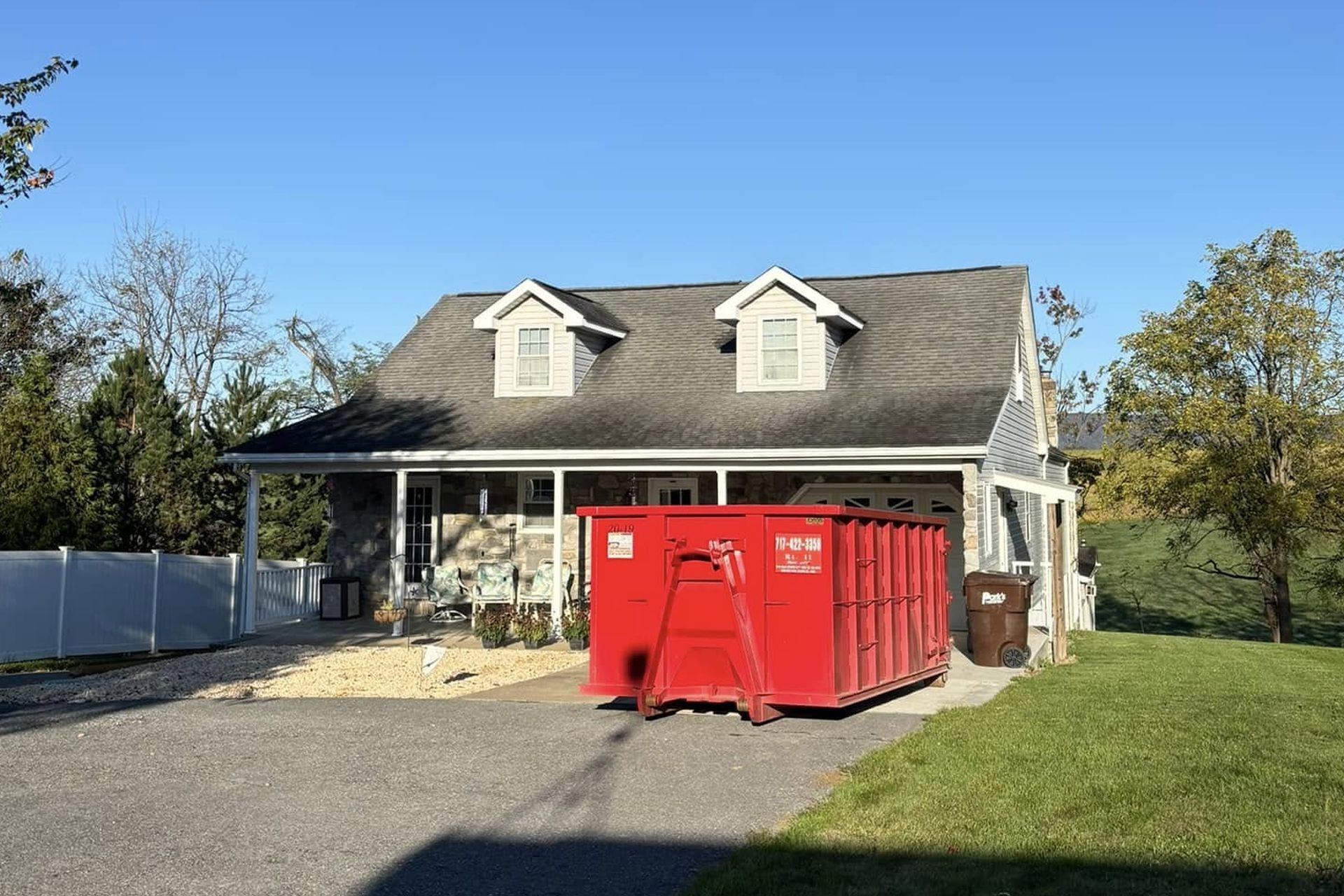
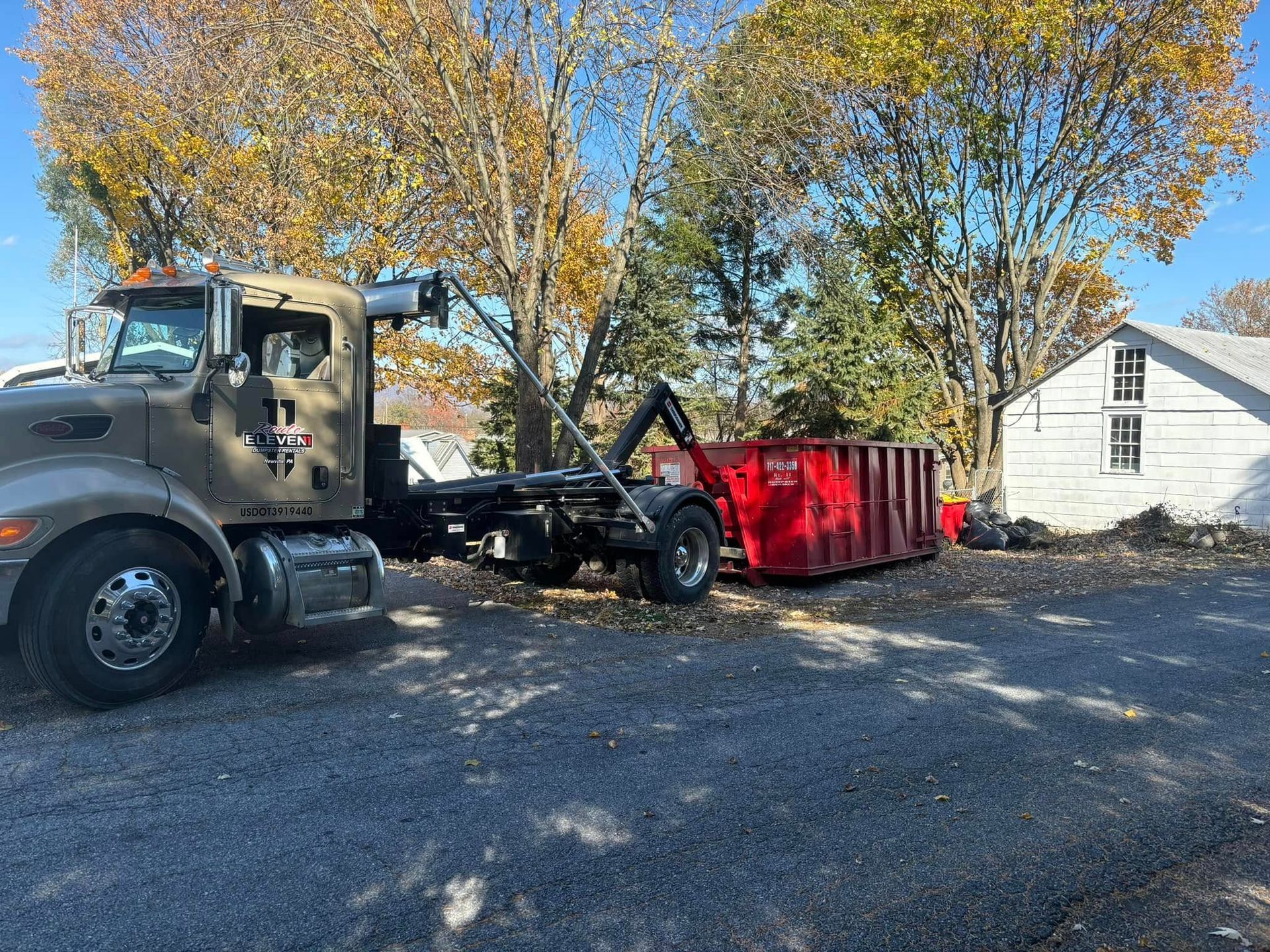
Placement also matters for how smoothly a project runs day to day. Positioning the dumpster close enough to the work area that crews aren't carrying debris across the yard, while keeping it clear of driveways still in use for vehicles and deliveries, cuts down on wasted time throughout the project. A short conversation with the delivery driver about where the container will sit, before it arrives, usually resolves this without any back and forth once demolition is underway.
Cost Comparison: Dumpster Rental vs Junk Removal vs Hauling Yourself
Dumpster rental pricing is typically structured around cubic yardage and a weight allowance, giving homeowners a predictable, flat cost for the length of the rental period. That structure makes budgeting straightforward compared to other disposal methods that charge per trip or per load.
Hauling debris in a personal truck looks free on paper, but fuel, truck rental fees, landfill tipping charges, and hours of labor add up across multiple trips. What seems like the cheapest option at the outset often costs more in time than a dumpster rental costs in dollars, especially once the value of a weekend spent driving back and forth to a transfer station gets factored in.
Junk removal services make sense for smaller volumes of debris, or for projects where labor to load the material is part of what's needed, such as clearing out a single room before demolition even starts. For larger renovation projects generating consistent volumes of debris over days or weeks, a roll-off dumpster remains the more cost-effective and time-efficient choice.
Choosing the Right Dumpster Size for Your Renovation Project
Renovation debris volume depends heavily on project scope, and choosing the correct dumpster size avoids both overpaying for unused space and running out of room mid-project.
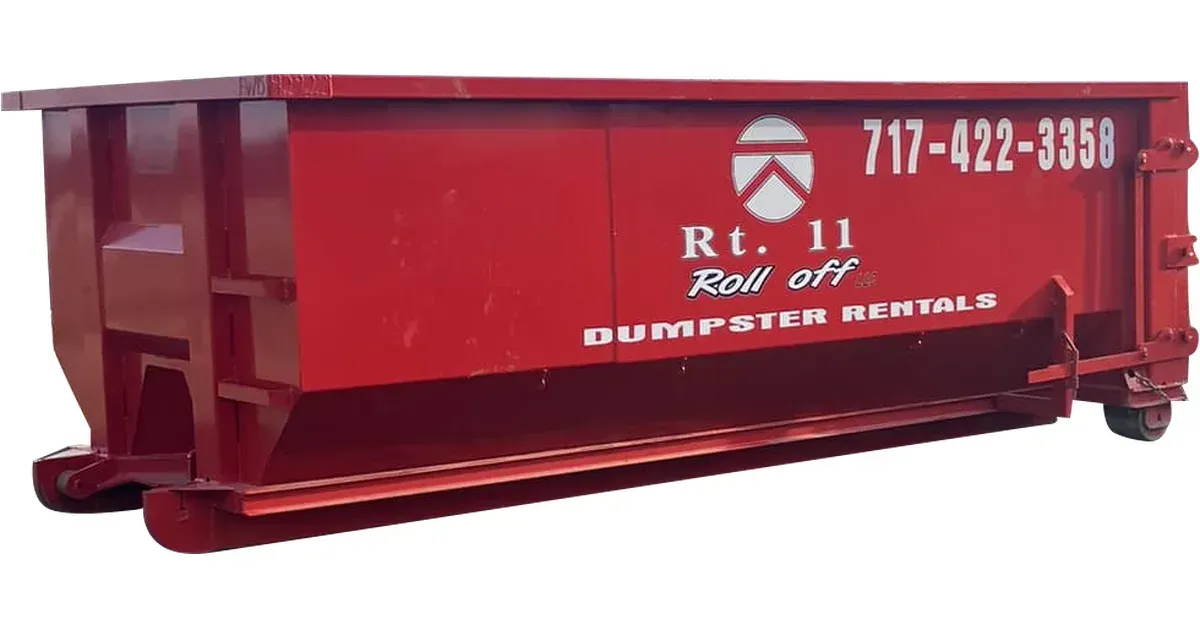
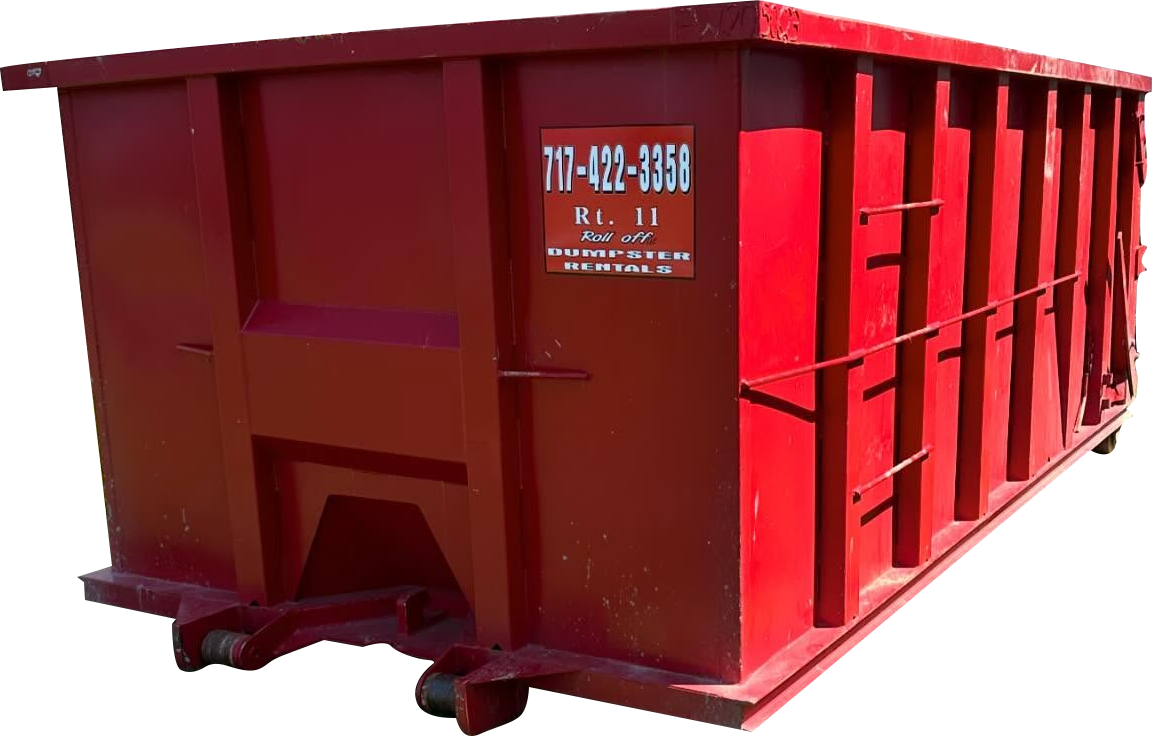
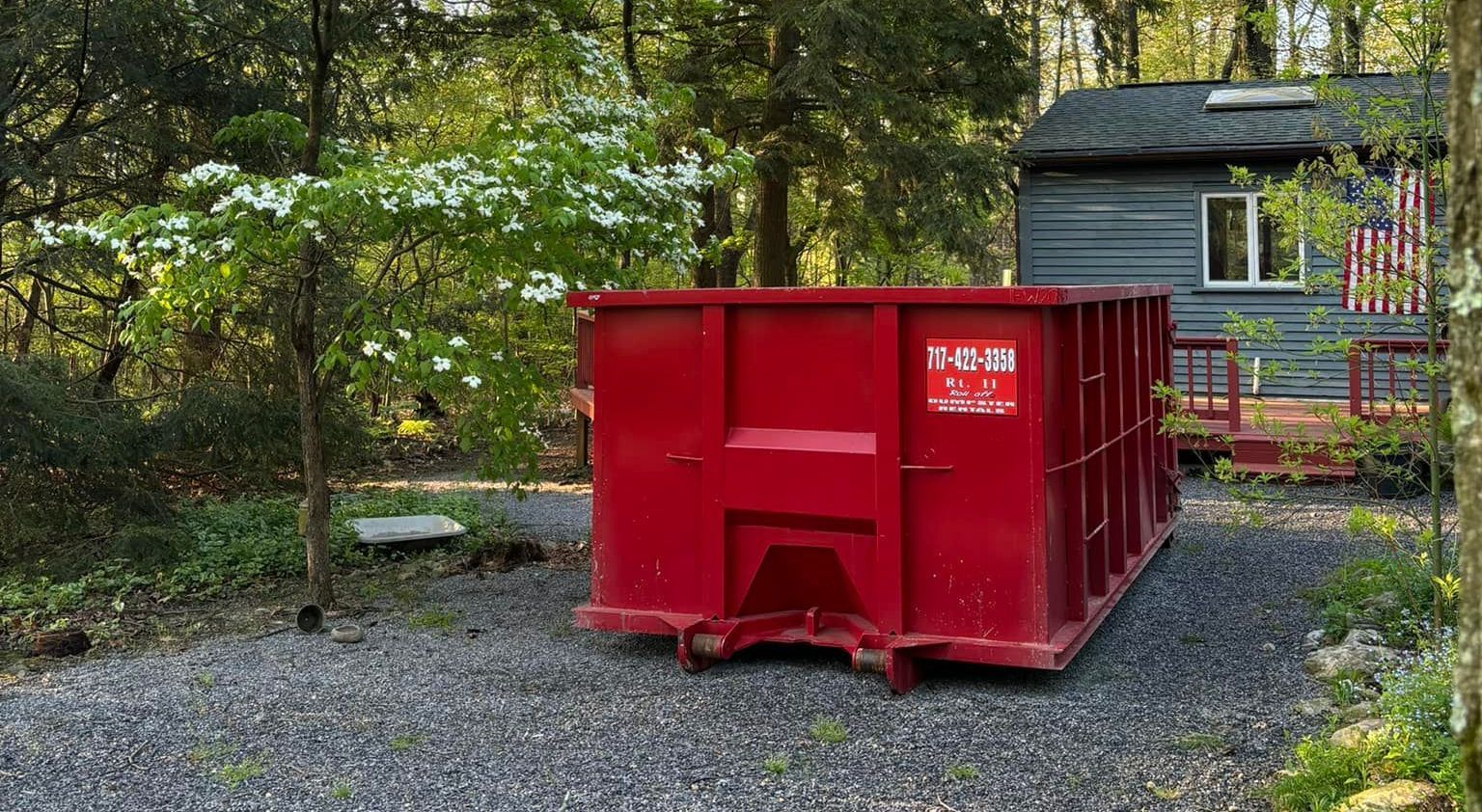
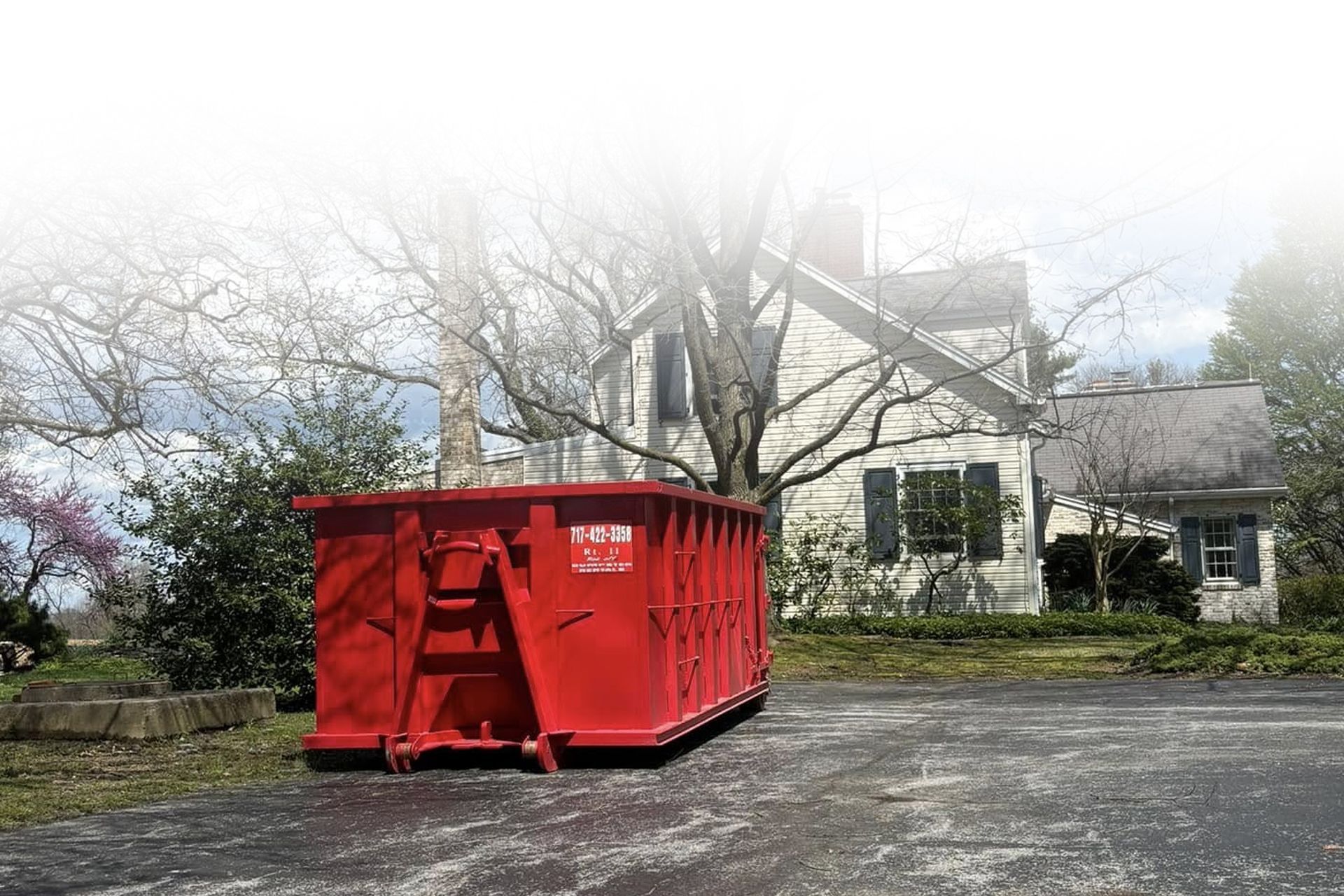
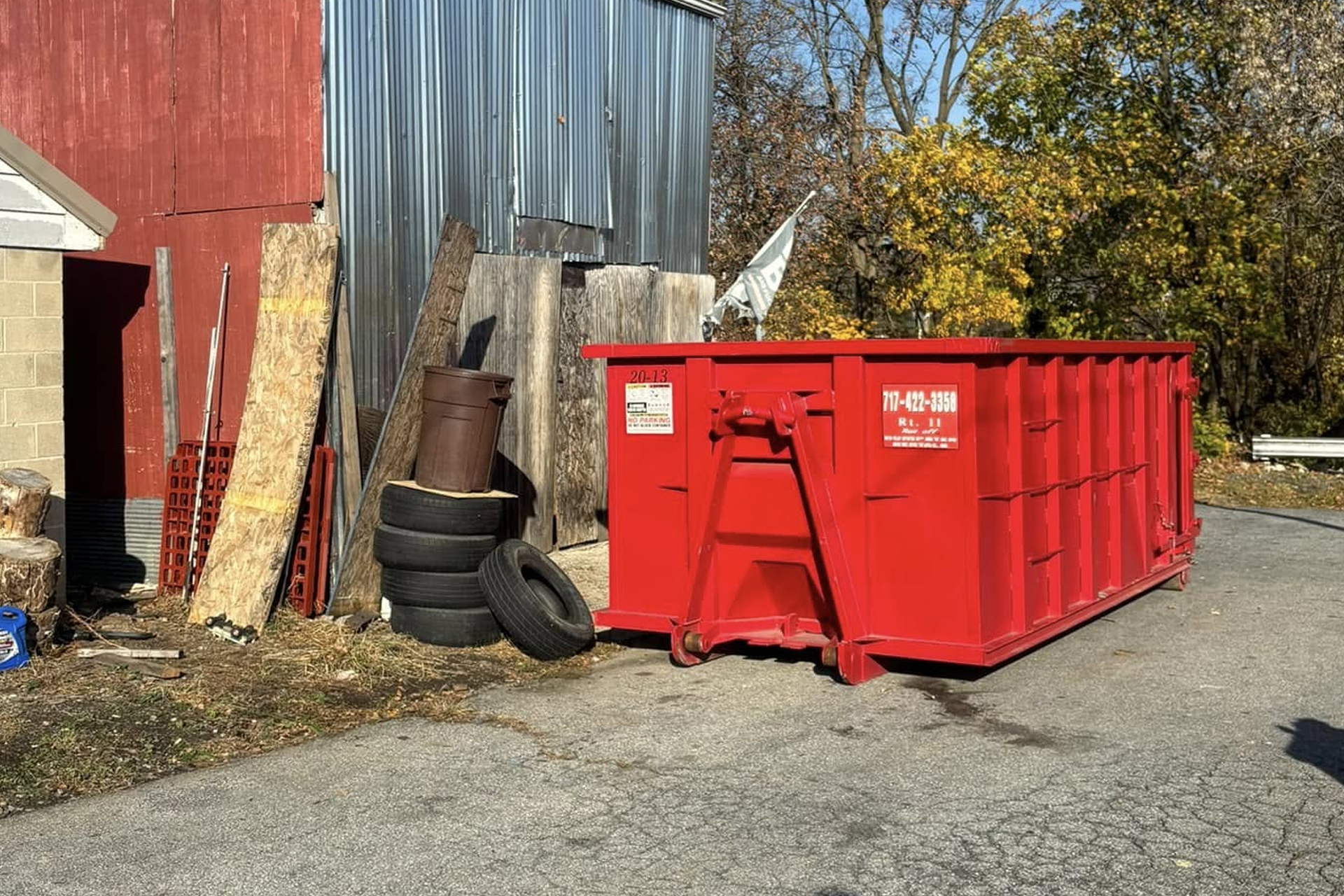
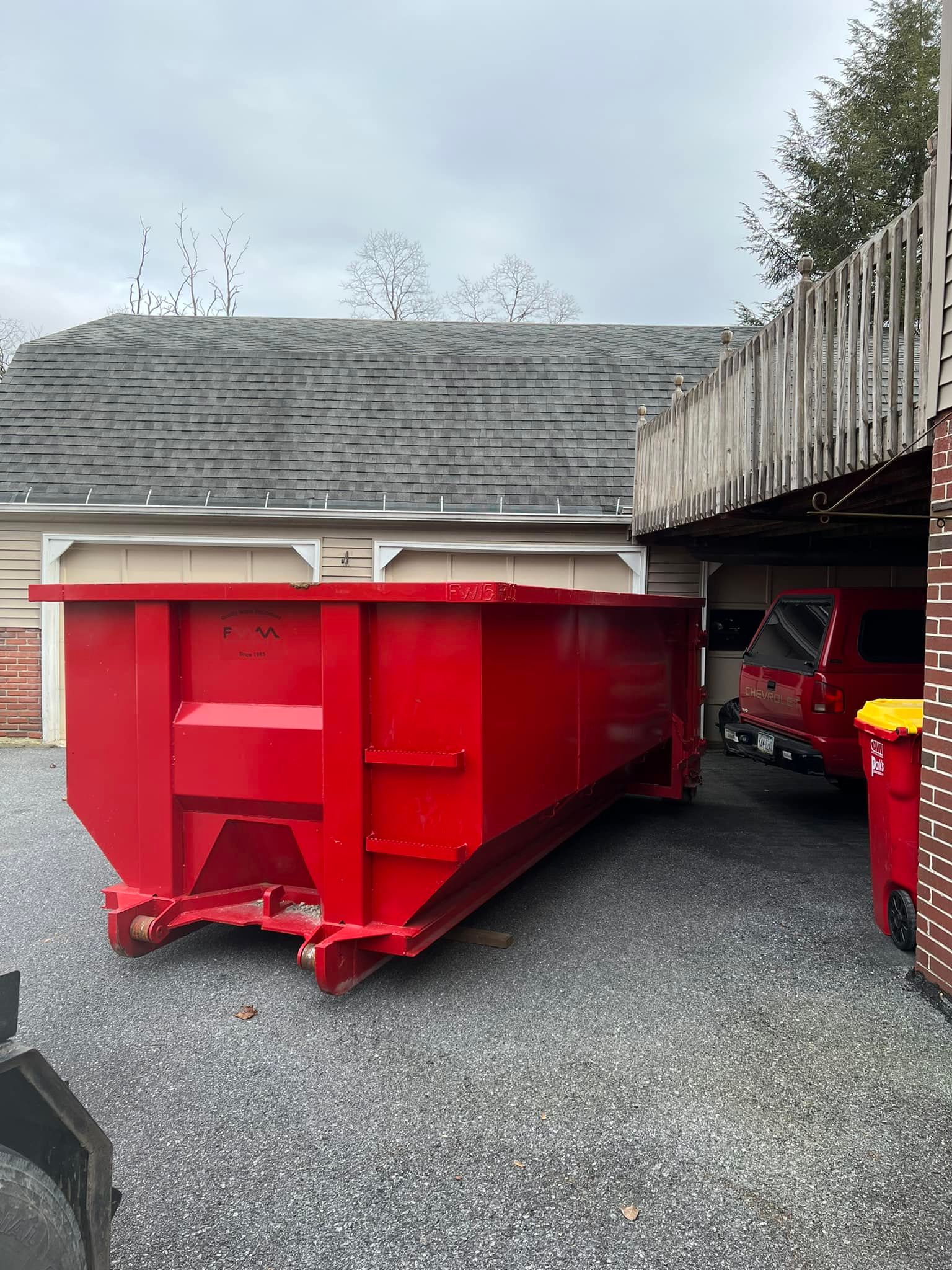
A 15-yard dumpster fits most single-room projects, including small kitchen updates, bathroom remodels, and flooring replacements. This size handles roughly six pickup truck loads of debris and suits projects where demolition is limited to one area of the home.
A 20-yard dumpster suits larger jobs such as full-floor renovations, multi-room remodels, or projects combining demolition with new construction. Homeowners tackling several rooms at once, or projects that include cabinet removal alongside flooring and drywall work, typically need this larger option to avoid a mid-project swap.
Estimating volume before calling for delivery starts with a walkthrough of what will actually come out of the space, room by room, including flooring, fixtures, cabinetry, and any structural elements slated for removal. The National Association of Home Builders publishes general guidance on renovation project planning that can help homeowners scope out a project before committing to materials, labor, and disposal needs.
Reviewing that kind of planning resource, such as the National Association of Home Builders site, alongside a walkthrough of the actual space helps match the dumpster size to the true scope of the project from the outset, which avoids paying for a second delivery mid-renovation.
It also helps to account for materials that take up more space than their weight suggests. Cabinetry and bulky fixtures fill a container faster than their tonnage implies, while dense materials like tile and concrete debris hit weight limits before the container looks full. A project mixing both types of debris benefits from sizing up slightly rather than assuming volume and weight will track together.
What You Can and Cannot Throw in the Dumpster During a Renovation
Most standard renovation debris is accepted in a roll-off dumpster without restriction, but a few material categories need separate handling.
Accepted materials typically include drywall, wood framing, tile, carpet, flooring, cabinetry, and general demolition debris. These can go straight into the container as work progresses through each phase of the project.
Restricted materials include paint, solvents, and other chemical products, which cannot go into a standard dumpster and instead need drop-off at a designated hazardous waste facility. Electronics, including old appliances with circuit boards or displays, also fall outside standard dumpster acceptance in most cases.
Asbestos-containing materials deserve particular attention in Shippensburg, given the number of homes built before the material was phased out of common use. Popcorn ceilings, certain floor tiles, and old insulation in homes from that era sometimes contain asbestos.
Testing for asbestos before demolition begins protects both the renovation crew and anyone handling the resulting debris, and it prevents a dumpster load from being flagged or rejected partway through a project. Confirming what a project's debris stream will include, before the dumpster arrives, prevents costly delays or added fees tied to improperly disposed materials.
A quick conversation with the rental provider ahead of delivery clears up most of these questions in a few minutes. Sharing the project scope, the home's approximate age, and any known materials being removed lets the provider flag anything that needs separate handling before it becomes a problem on site, rather than after a full container has already been picked up.
Renovation Waste Removal Timeline: Planning Your Dumpster Rental
Ordering a dumpster before demolition begins, rather than after debris has already piled up, keeps a renovation project on schedule from day one. Waiting until debris becomes unmanageable often means delays while a container gets delivered and positioned on a property that already has crews and materials on site.
Standard rental periods typically run one to two weeks, long enough to cover most single-phase projects such as a bathroom remodel or flooring replacement. Larger renovations spanning several weeks can extend the rental as needed, and confirming that flexibility upfront avoids surprises if a project runs longer than the original estimate.
Scheduling pickup timing also matters. Some projects benefit from a mid-project swap, where a full dumpster gets exchanged for an empty one at a natural break point, such as after demolition but before finish work begins. Other projects work better with a single pickup at the very end, once all phases are complete and the site is fully cleared.
Checking availability for dumpster rental in Shippensburg, PA ahead of the planned start date helps line up delivery with the actual demolition schedule rather than working around whatever slot happens to be open that week.
Weather and permit timelines are worth building into the schedule as well. A container sitting on a driveway or street through several weeks of a project is exposed to whatever the season brings, and confirming any borough paperwork early, rather than the week demolition starts, keeps a tight renovation schedule from slipping before the first wall even comes down.
Local Tips for Dumpster Rentals in Shippensburg, PA
Shippensburg's housing stock includes a substantial share of homes built well before modern construction standards, which shapes the kind of renovation work happening across the borough. Kitchen and bathroom updates, basement finishing, and full gut renovations of older properties are common, often uncovering plumbing, wiring, or structural surprises once walls come down.
Dumpster placement on borough streets or narrow driveways sometimes requires a permit, particularly when a container needs to sit on a public right-of-way rather than fully on private property. Checking with Shippensburg borough offices before delivery day, or reviewing local requirements ahead of time, avoids fines or a delayed drop-off on the morning demolition is scheduled to start.
Reviewing permit and property guidance through the Cumberland County, PA official site before scheduling delivery helps confirm what, if anything, a specific renovation project needs beyond a standard delivery.
Working with a provider familiar with the area's older housing stock and borough placement rules removes much of the guesswork from a renovation project. Local delivery experience means fewer surprises about driveway access, container placement, and what Shippensburg's specific waste handling rules require of a homeowner mid-renovation.
Neighborhoods near the downtown core and older residential streets tend to have narrower lots and tighter driveways than newer developments on the borough's edges, which affects where a container can realistically sit. Confirming access width and any nearby overhead lines before delivery day saves a return trip for the delivery truck and keeps the schedule intact from the first day of the project.
Planning Your Renovation Cleanup
Managing renovation waste comes down to matching the right disposal method to the project. Roll-off dumpsters handle demolition debris, flooring, drywall, and general construction waste more efficiently than repeated truck trips, and choosing the correct size, whether 15-yard or 20-yard, keeps a project running without a mid-job scramble for extra hauling.
Whether the project is a single bathroom update or a full-house remodel spanning several months, the same basics apply: order early, sort debris by category, and confirm any local rules before the container lands in the driveway. Getting those pieces right at the start of a renovation removes one of the more disruptive variables from an already busy project timeline.
Ordering ahead of demolition day, confirming what materials the dumpster can accept, and checking any borough permit requirements rounds out a smooth renovation timeline in Shippensburg and the surrounding Cumberland County communities.
Planning a renovation in Shippensburg? Schedule a roll-off dumpster delivery and get a free quote today by calling 717-422-3358, or reach out online to contact RT 11 for a free quote before demolition begins..