Do You Need a Permit to Rent a Dumpster in Pennsylvania?
In Pennsylvania, a permit is generally not required when a dumpster sits entirely on private property, such as a driveway or yard. A permit is almost always required when a dumpster sits on a public street, curb, or sidewalk, and specific rules vary by municipality and rental duration. Cumberland County property owners should confirm requirements with their local borough or township office before scheduling delivery.
Homeowners and contractors planning a project in Cumberland County often ask the same question before scheduling delivery: does a dumpster rental require a permit in Pennsylvania? The answer depends on two details, where the dumpster will sit and how long it stays there. A dumpster permit Pennsylvania requirement usually applies only when the container touches public property, such as a street, curb, or sidewalk, rather than a private driveway or yard. Placement inside a fenced backyard or on a private lot typically falls outside permit rules entirely, regardless of project size.
Local requirements differ from one borough to the next, and Pennsylvania does not set a single statewide standard for dumpster placement. That patchwork of rules is exactly why confusion happens, and why a container that needed no paperwork in one township might require a full application in the next. A remodel, roof replacement, or estate cleanout can all raise the same question, even though the underlying project has nothing to do with the permit itself.
This guide breaks down when a permit applies in Pennsylvania, how the application process works, what Cumberland County residents can expect from their local office, and what happens when this step gets skipped.
The Short Answer: It Depends on Where the Dumpster Is Placed
Most dumpster permit Pennsylvania questions come down to a single factor: location. A container placed entirely on private property typically needs no permit at all, while one that crosses onto a public right-of-way changes the picture quickly.
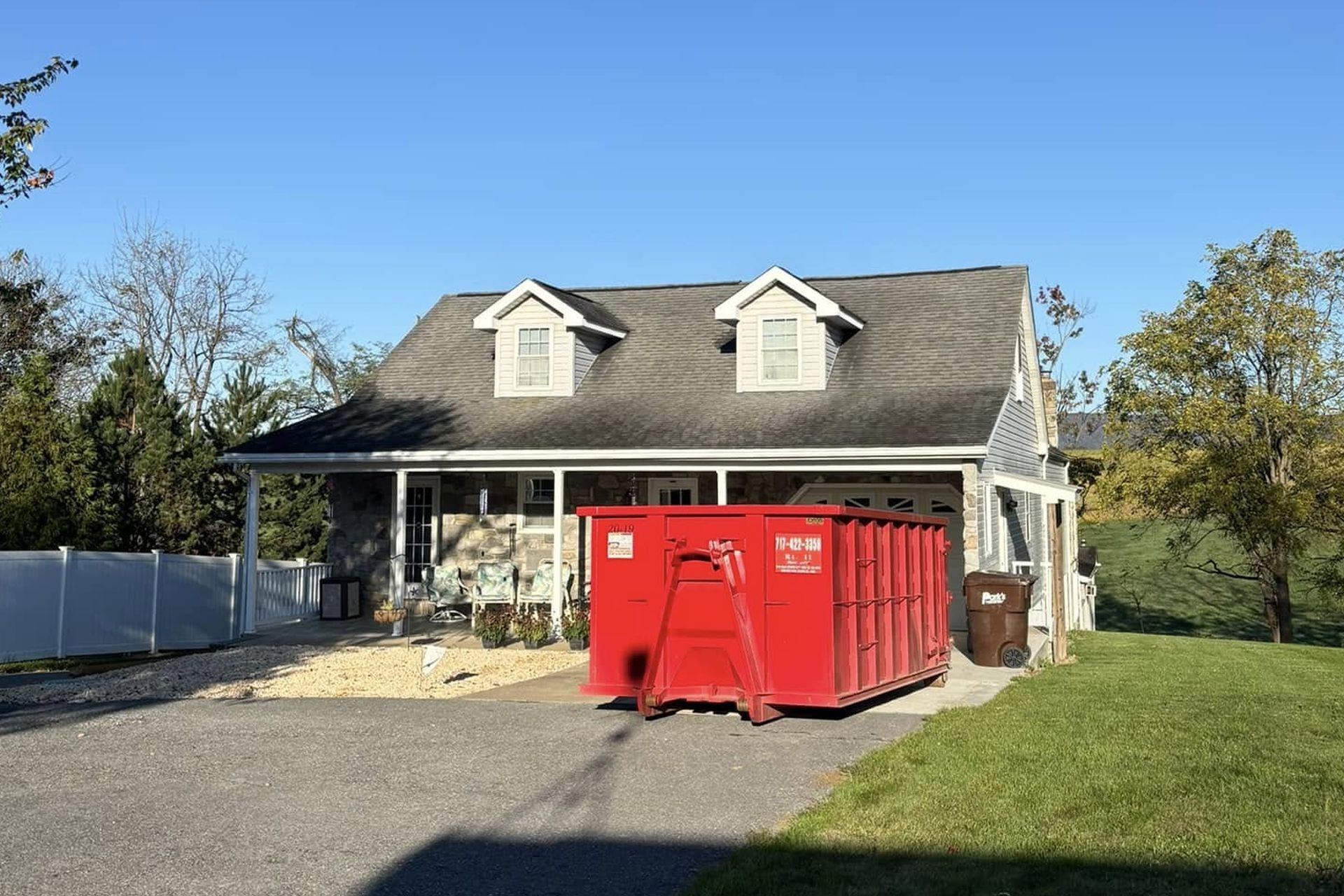
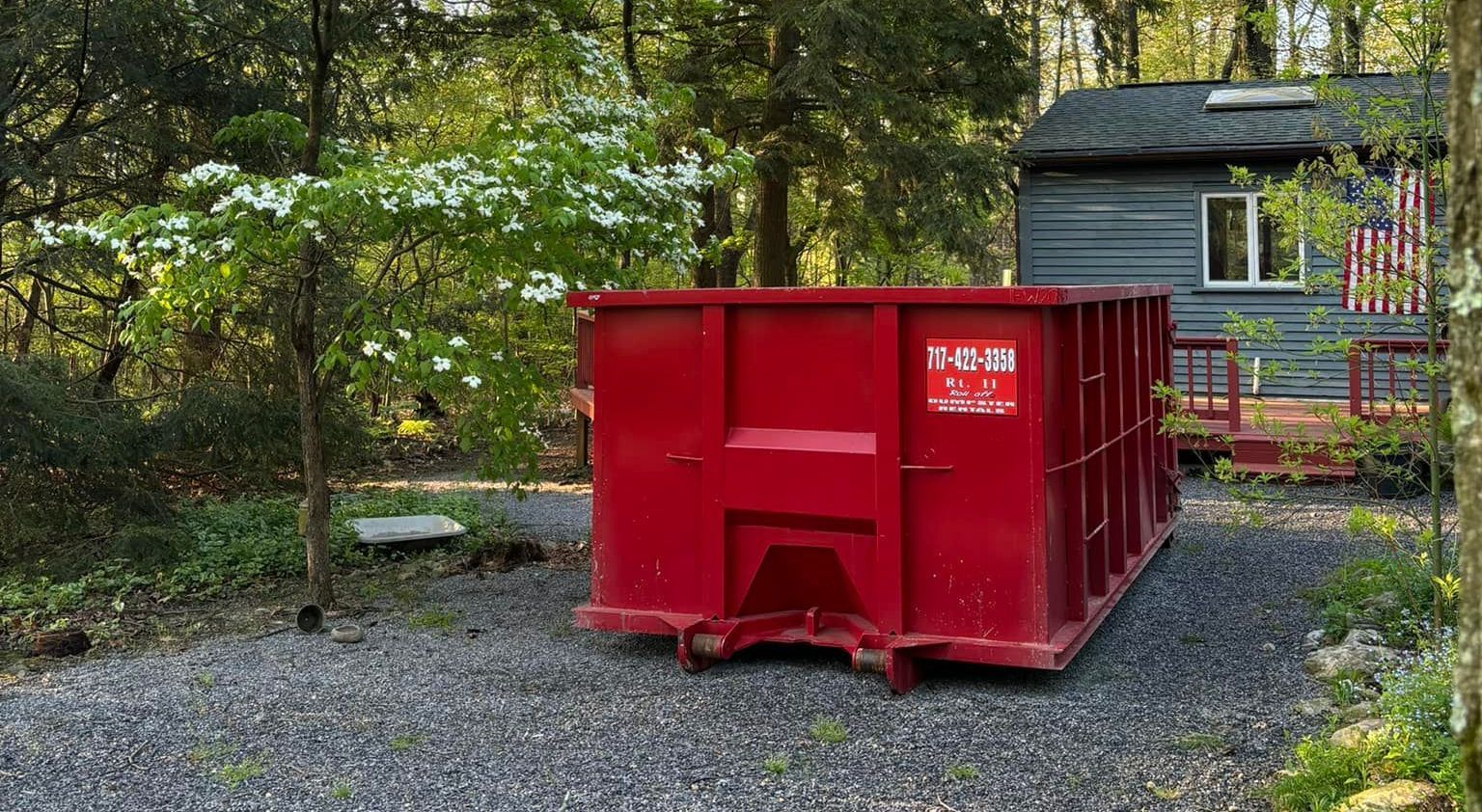
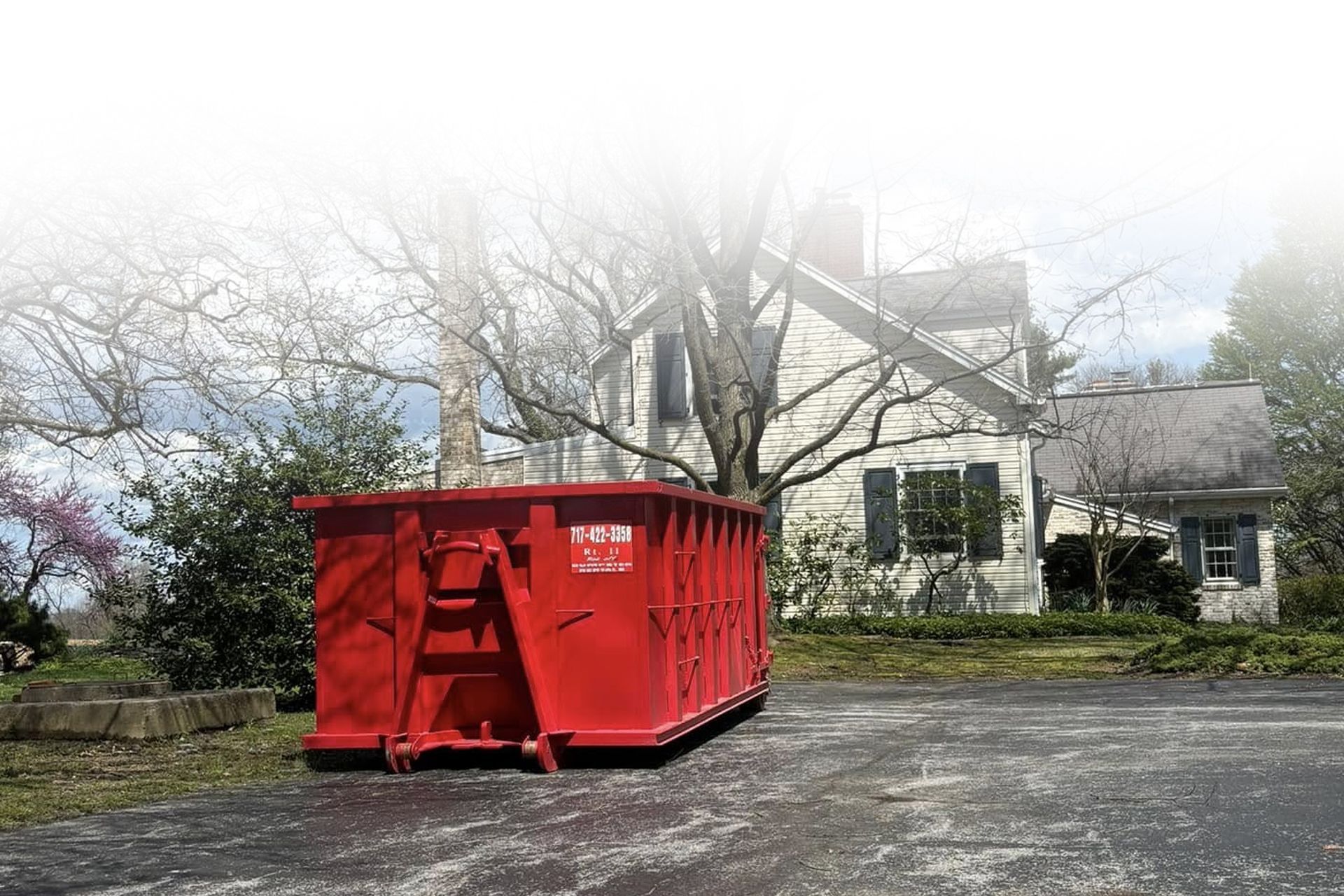
- Private driveway: A dumpster sitting on a private driveway, yard, or parking area generally does not require a permit in most Pennsylvania municipalities. The property owner controls that space, and local government usually has no reason to get involved as long as the container stays on private ground.
- Public street or sidewalk: Placing a dumpster on a street, curb, or sidewalk almost always requires a permit. That space belongs to the municipality, and local code enforcement regulates what sits there, for how long, and under what safety conditions, including reflective markings and nighttime visibility.
- HOA communities: Homeowners associations often layer additional rules on top of municipal requirements. A dumpster that satisfies the borough or township may still violate HOA guidelines on visibility, placement, or duration, so checking both sets of rules before delivery day avoids a second round of complications.
This distinction exists for a simple reason: public streets and sidewalks serve everyone, and a stationary container affects traffic flow, pedestrian safety, and emergency access along that route. Private property carries none of those shared obligations, which is why the rules relax considerably once a dumpster stays off public ground for the full length of a project.
When Do You Need a Permit in Pennsylvania?
Pennsylvania does not set a single statewide dumpster permit rule, and that decision sits with each individual municipality. Some situations, however, trigger a permit requirement far more consistently than others, regardless of which borough or township is involved.
Placement on a Public Right-of-Way
A dumpster parked on a street, curb, or sidewalk sits on public property, and that is where permit requirements apply most consistently across the state. Local borough or township offices manage this process, and the Pennsylvania state government portal offers a starting point for locating the correct office in any municipality, since contact information and application forms vary widely from one town to the next.
Typical permit timelines range from same-day approval in smaller boroughs with informal processes to a week or more in areas that require a formal review, a site sketch, or a fee payment before issuing approval. Reaching out to the local office before scheduling delivery avoids a gap between drop-off and approval, which can leave a dumpster sitting unpermitted on public property while paperwork works through the system.
Extended Rental Periods
Some municipalities set a maximum number of days a dumpster can sit in one place before a permit becomes mandatory, even when the container sits entirely on private property. A short weekend cleanout may fall comfortably under that threshold, while a multi-week renovation project often does not, particularly if the container remains on-site for the full duration of a remodel.
Checking the local ordinance, or simply calling the township office directly, clarifies exactly where that line falls for a specific project. Some offices measure the clock from the delivery date, while others start counting once a project begins, so confirming the specific rule in advance prevents an unexpected permit requirement partway through a rental.
Permit Requirements in Cumberland County Municipalities
Cumberland County includes several boroughs and townships, each maintaining its own permit process for dumpster placement. Newville, Carlisle, Shippensburg, Mechanicsburg, and Chambersburg follow a broadly similar general pattern: permits apply to placement on the public right-of-way, and most private property placement remains exempt from any formal application. The specific fees, application forms, and review timelines still vary by office, sometimes significantly, and a process that takes one phone call in a smaller township may involve a written application elsewhere.
Homeowners scheduling a dumpster rental in Carlisle, PA should confirm current requirements directly with the borough office, since permit fees and review windows can change from year to year and are not always reflected in older online guides. The Cumberland County official site lists contact information for individual municipal offices, which is often the fastest way to reach the correct department without multiple phone transfers.
RT 11 Roll Offs has coordinated dumpster placement across these Cumberland County municipalities for years and can point customers toward the correct office based on project location, even when the answer varies considerably from one township to the next. That familiarity with local processes often saves a phone call or two during the planning stage of a project.
How to Get a Dumpster Permit in PA
The dumpster permit Pennsylvania application process follows a fairly consistent pattern from one municipality to the next, even though the specific forms and fees differ.
- Step 1: Identify the governing municipality. Permit requirements are set at the borough or township level, so the first step is confirming which office holds jurisdiction over the delivery address. Property lines near municipal borders sometimes create confusion here, so double-checking with the county is worthwhile before applying.
- Step 2: Contact the code enforcement or public works office. Most municipalities handle dumpster permits through code enforcement, public works, or a similar department. A quick phone call usually confirms the application process, required documents, and current fee schedule for the specific placement planned.
- Step 3: Submit placement details and project duration. Applications typically ask for the exact placement location, expected rental length, and sometimes a brief site sketch showing where the container will sit relative to the street, curb, or sidewalk.
- Step 4: Pay the permit fee if required. Fees vary by municipality and by rental duration, and some offices waive the fee entirely for short-term residential placements while charging a flat rate for longer commercial projects.
Scheduling a dumpster rental delivery around this timeline helps avoid a gap between permit approval and drop-off, particularly in municipalities with a multi-day review process. Homeowners ready to rent a roll-off dumpster for a Cumberland County project can align delivery dates with the local permit timeline to keep the whole process moving smoothly from application to pickup.
What Happens If You Skip the Permit?
Skipping a required dumpster permit Pennsylvania rule carries real consequences, and those consequences tend to compound the longer an unpermitted container sits in place.
- Fines from local code enforcement: Municipalities issue citations for unpermitted placement on public property, and repeat violations sometimes carry higher penalties than a first offense. Fine amounts vary widely by jurisdiction, but they rarely cost less than the permit fee would have in the first place.
- Required removal at your expense: In some cases, the municipality orders the container removed before the project is finished, which adds cost and delay to work that was already underway. A second delivery, once the correct permit is secured, means paying for placement twice.
- Delays to the project timeline: An unpermitted dumpster on a street or sidewalk can also create liability if it blocks visibility, obstructs a walkway, or contributes to an accident. Municipal rules on placement, lighting, and reflective markings exist largely to prevent these situations, and skipping the permit step often means skipping those safety requirements as well.
The EPA solid waste management resources page also outlines general best practices for handling construction and demolition debris responsibly, which pairs well with staying compliant on the permit side of a project from start to finish.
Tips for a Smooth Permit Process
- Apply early, before scheduling dumpster delivery. Some municipalities take several business days to process an application, and starting the permit request after the dumpster arrives creates unnecessary risk of a fine or forced removal.
- Keep the permit visible if required. A few municipalities ask that the approved permit be displayed on-site, similar to a construction permit, so checking this detail in advance avoids an easy and avoidable violation.
- Mark the dumpster with reflective tape if it sits on a street overnight. This step improves visibility for drivers and pedestrians after dark and is sometimes a specific condition attached to permit approval, particularly on narrow streets or in areas with limited lighting.
- Confirm the delivery window with the rental provider. Lining up delivery day with permit approval, rather than before it, keeps a project on the right side of local rules from the moment the container arrives.
Conclusion
Every dumpster permit Pennsylvania question eventually comes back to the same two factors: where the container sits and how long it stays there. Private driveway placement rarely requires a permit, while public street or sidewalk placement almost always does, and Cumberland County residents benefit from checking with their specific borough or township before delivery day rather than after a citation arrives. RT 11 Roll Offs has worked through this process across Newville, Carlisle, Shippensburg, Mechanicsburg, and Chambersburg, and that experience helps homeowners and contractors avoid the most common permit mistakes before they happen.
Not sure whether a project needs a permit? A quick call before scheduling delivery can clarify local requirements and prevent delays once work begins. Reach out at 717-422-3358 to talk through the details for a specific address in Cumberland County, or contact RT 11 with questions to start planning delivery around the correct paperwork.